%2Ffit-in%2F250x250%2Fguide_websites%2F1699%2Fimages%2Fscreenshot2023-04-23013700.png&w=1920&q=100)
Fishing Charter in Apalachicola FL with Captain Corey Maxwell
Inshore Fishing in Apalachicola - What to Expect
%2F%2Fusers%2F71101277-c8d9-42b6-bba3-c34eb3178f11%2Fimages%2Fapalachicola-fishing-catch-florida-2420.jpg&w=1920&q=75)
Fishing Charter by Captain Corey Maxwell in May
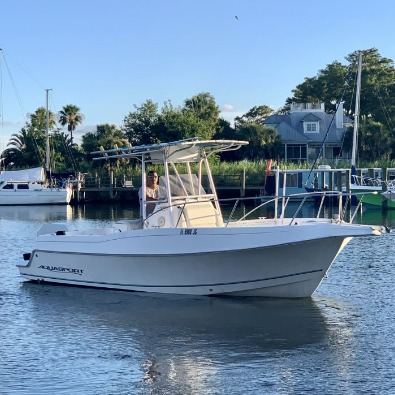
Meet your Captain Corey Maxwell
- Bait your trophy fish at St. George Island


Summary
Join Captain Corey Maxwell of Catch The Most Charters for an inshore fishing charter in Apalachicola on Saturday, May 30th. This fishing charter showcases the productive waters around St. George Island, where anglers pursue local species in one of Florida's premier coastal destinations. Whether you're targeting redfish, spotted seatrout, or other Gulf species, you'll experience expert guidance and authentic Apalachicola Bay fishing at its finest.
Fishing Charter with Captain Corey Maxwell - Rates & Booking
Captain Corey Maxwell of Catch The Most Charters operates fishing charters in Apalachicola on Saturday, May 30th, targeting the rich inshore fishery around St. George Island. With local expertise earned through years of working these waters, Captain Maxwell knows the tides, structure, and seasonal patterns that put fish in the boat. He brings a licensed guide's understanding of regulations, safety, and fish behavior to every trip, ensuring both compliance and success.
To book your fishing charter and receive current rates, contact Catch The Most Charters directly. The captain provides the local knowledge and navigation expertise—you bring the enthusiasm and willingness to learn. Whether you're a first-time angler or returning to Apalachicola, this charter accommodates various skill levels.
Highlights of Your Apalachicola Fishing Charter
The Apalachicola Bay system ranks among the Gulf Coast's most productive fishing grounds. Its shallow flats, oyster bars, and deeper channels create diverse habitat for multiple species. The combination of fresh water from the Apalachicola River and Gulf saline creates a dynamic ecosystem where fish concentrate throughout the year. Guided fishing here means working with someone who understands these nuances and can adapt to daily conditions.
St. George Island's proximity to deep water provides access to both flat-water and open-water opportunities. Morning light on the flats, the activity around structure in deeper areas, and the natural beauty of this unspoiled coastline create a memorable day on the water. Captain Maxwell's approach emphasizes both successful fishing and appreciating the coastal environment.
Local Inshore Fishing Insights in Apalachicola
Apalachicola's inshore waters thrive due to the unique mix of river output and Gulf influence. The shallow flats surrounding St. George Island support redfish and spotted seatrout year-round, with seasonal patterns dictating where and how they concentrate. Redfish, known for their aggressive strikes and strong runs, inhabit the shallows and oyster-studded areas where they hunt mullet and shrimp. Spotted seatrout favor slightly deeper flats and channel edges, typically responding well to live bait or artificial presentations near structure.
The bay's oyster reefs serve as nursery grounds and feeding zones for multiple species. Understanding how tides push water and bait through these areas separates experienced guides from casual fishermen. Captain Maxwell reads these patterns daily and adjusts tactics accordingly. Early morning tides often concentrate fish as they move with the water flow, while midday periods may require deeper-water fishing or different presentations.
The Apalachicola Bay system also supports seasonal runs of tarpon, permit, and other species, depending on water temperature and time of year. While inshore work focuses primarily on redfish and trout, opportunity for bonus species exists, particularly during transitional seasons. The guide's knowledge ensures you're fishing the right areas at the right times for what's active.
Water clarity in Apalachicola typically ranges from stained to clear, depending on river flow and weather. Clear-water days favor sight-fishing techniques where you spot fish and present to them; stained conditions require sound and vibration to attract strikes. Captain Maxwell manages tackle and technique based on daily conditions, keeping fishing productive regardless of visibility.
Comfort and safety on inshore charters depend on proper boat setup and captain experience. The flats and shallows require knowledge of bottom composition, submerged structure, and navigation. Running these waters safely while positioning for fish demands skill that only local experience provides. The day on the water should feel relaxed yet professional—focused, but not rushed.