%2Ffit-in%2F250x250%2Fguide_websites%2F1699%2Fimages%2Fscreenshot2023-04-23013700.png&w=1920&q=100)
/users/71101277-c8d9-42b6-bba3-c34eb3178f11/ratecard/17.jpg)
%2F300x300%2Fusers%2F71101277-c8d9-42b6-bba3-c34eb3178f11%2Fratecard%2F17.jpg&w=256&q=75)
%2F300x300%2Fusers%2F71101277-c8d9-42b6-bba3-c34eb3178f11%2Fimages%2Fgreat-fishing-apalachicola-2459.jpg&w=256&q=75)
%2F300x300%2Fusers%2F71101277-c8d9-42b6-bba3-c34eb3178f11%2Fimages%2Fatlantic-sharpnose-shark-fl-2445.jpg&w=256&q=75)
%2F300x300%2Fusers%2F71101277-c8d9-42b6-bba3-c34eb3178f11%2Fimages%2Fredfish-caught-florida-2446.jpg&w=256&q=75)
%2F300x300%2Fusers%2F71101277-c8d9-42b6-bba3-c34eb3178f11%2Fimages%2Fatlantic-sharpnose-shark-fishing-fl-2412.jpg&w=256&q=75)
%2F300x300%2Fusers%2F71101277-c8d9-42b6-bba3-c34eb3178f11%2Fimages%2Fredfish-apalachicola-catch-2677.jpg&w=256&q=75)
%2F300x300%2Fusers%2F71101277-c8d9-42b6-bba3-c34eb3178f11%2Fimages%2Fblue-catfish-fishing-fl-2344.jpg&w=256&q=75)
%2F300x300%2Fusers%2F71101277-c8d9-42b6-bba3-c34eb3178f11%2Fimages%2Fblacktip-shark-fishing-florida-2378.jpg&w=256&q=75)
%2F300x300%2Fusers%2F71101277-c8d9-42b6-bba3-c34eb3178f11%2Fimages%2Ffishing-apalachicola-2395.jpg&w=256&q=75)
%2F300x300%2Fusers%2F71101277-c8d9-42b6-bba3-c34eb3178f11%2Fimages%2Fredfish-apalachicola-fishing-2479.jpg&w=256&q=75)
%2F300x300%2Fusers%2F71101277-c8d9-42b6-bba3-c34eb3178f11%2Fimages%2Ffishing-in-florida-2612.jpg&w=256&q=75)
Top-Rated Apalachicola Fishing | St. George Island
 St. George Island
What you will be catching:
 Goliath Grouper
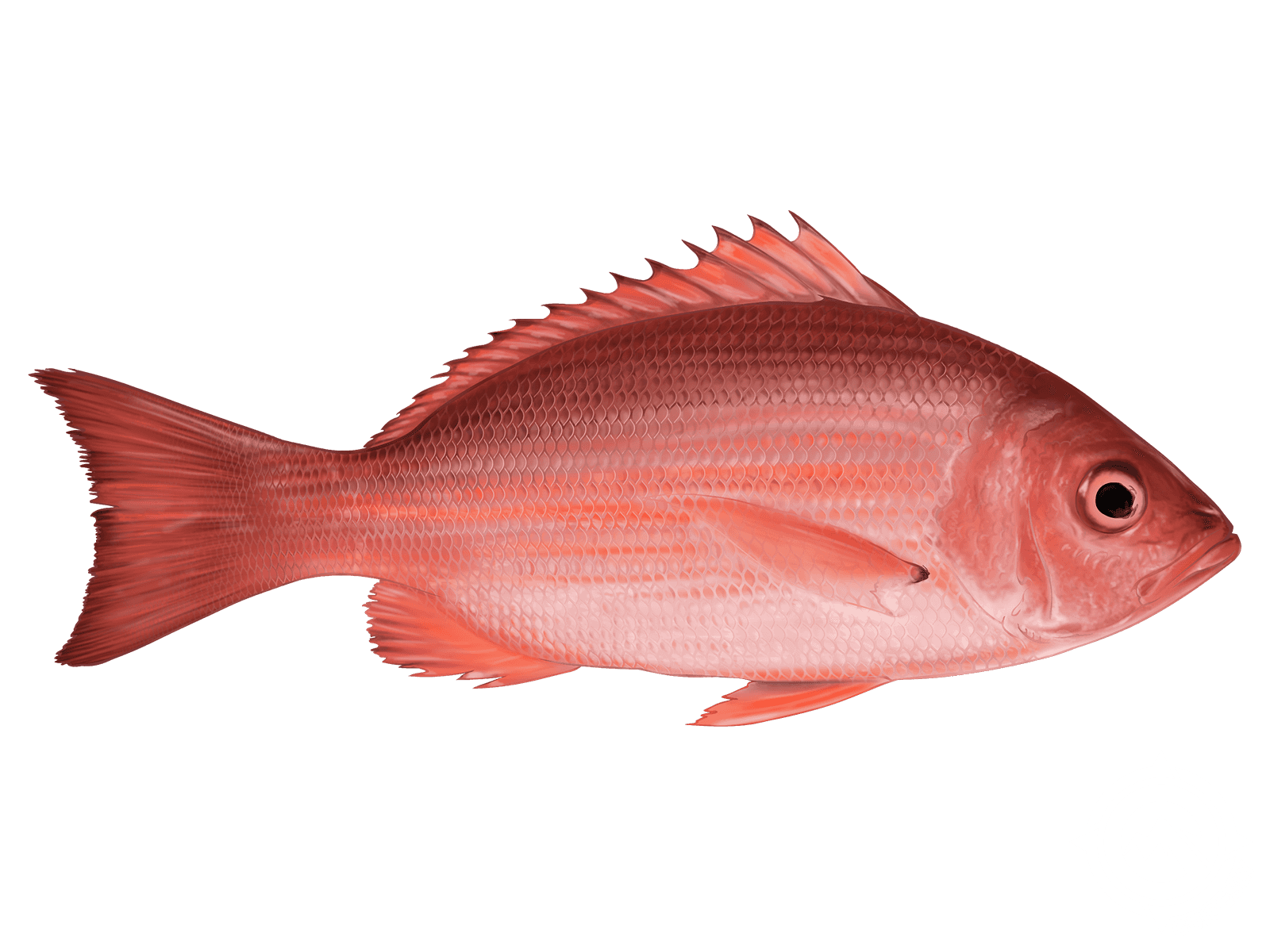
 Red Snapper
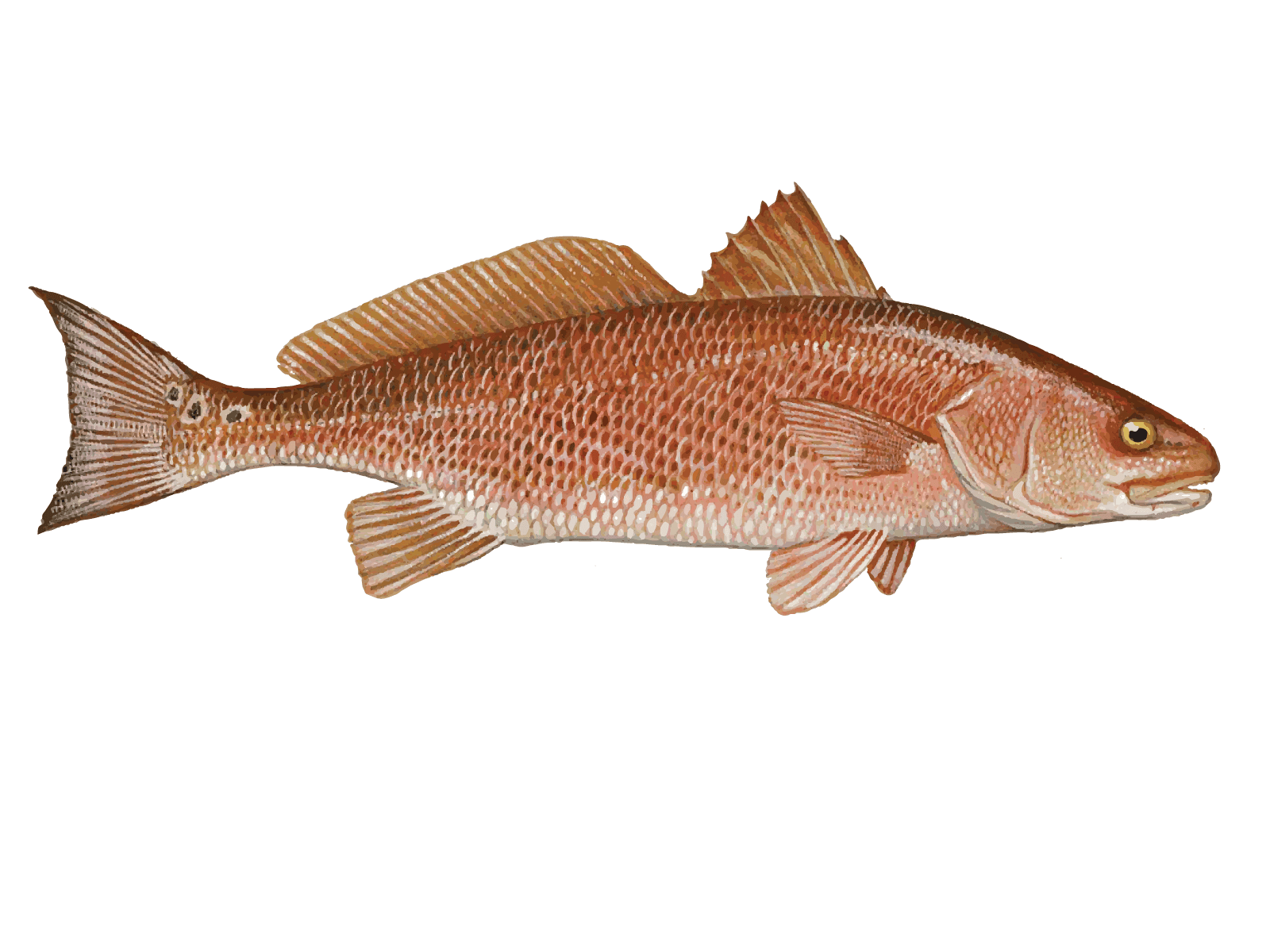
 Redfish
 Sea Trout
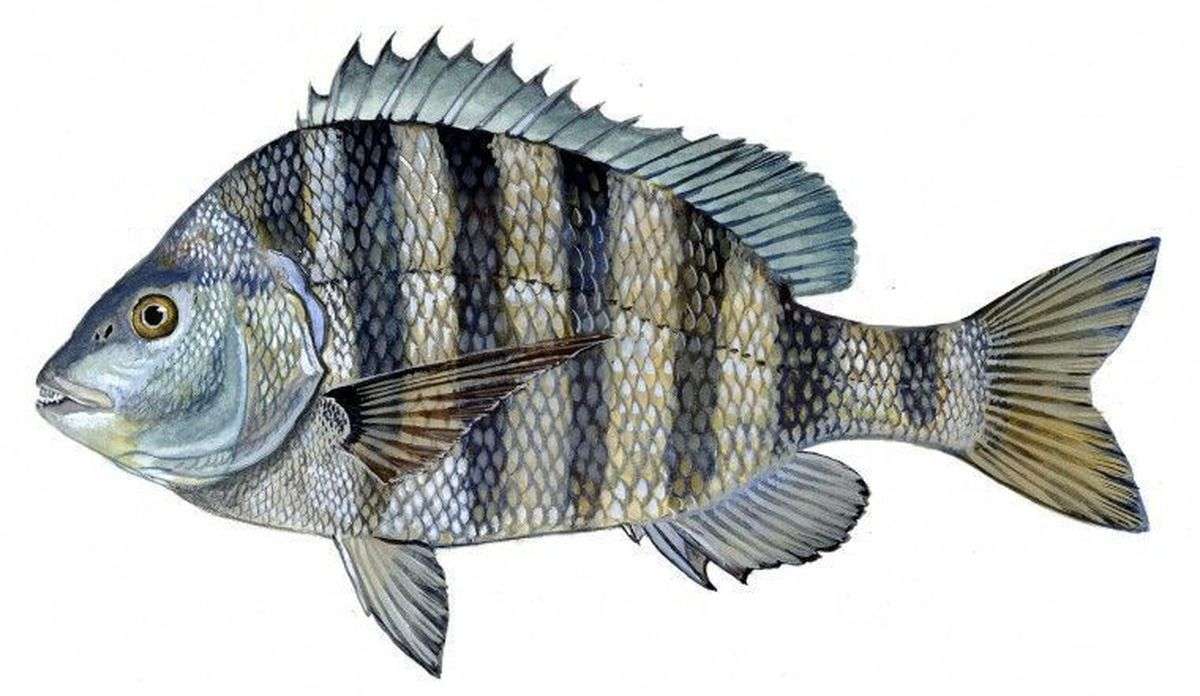
 Sheepshead
- Six-hour inshore charter targeting redfish and spotted seatrout
- All equipment, tackle, bait, and fishing licenses included
- Accommodates up to four guests with experienced local captain
Trip Pricing and Availabilities:
Full Day Apalachicola Inshore Fishing Charter
When you're looking for world-class inshore fishing along Florida's forgotten coast, St. George Island and the Apalachicola Bay system deliver some of the most consistent action you'll find anywhere. This full-day charter with Catch The Most Charters puts you right in the heart of some of the state's most productive shallow water fisheries. We're talking about six solid hours targeting everything from trophy redfish to chunky spotted seatrout in waters that have been producing fish for generations. The boat handles up to four anglers comfortably, so whether you're bringing the family or a small group of serious fishermen, there's plenty of room to work without getting in each other's way. All your tackle, bait, and licenses are covered, so you just need to show up with your cooler, some snacks, and maybe a good hat.
What to Expect on the Water
St. George Island sits at the mouth of one of Florida's most diverse estuarine systems, where the Apalachicola River meets the Gulf. This creates the perfect recipe for incredible inshore fishing - you've got grass flats, oyster bars, creek mouths, and deeper channels all within a short run of each other. Captain will read the conditions and adjust the game plan accordingly. Some days we're sight fishing the flats for tailing redfish, other days we're working structure for sheepshead or drifting the grass beds for seatrout. The beauty of a six-hour trip is having time to hit multiple spots and really dial in what's working. Water clarity here can change dramatically depending on tides and weather, but that just means more opportunities to adapt your approach and learn different techniques.
Techniques and Tackle Setup
We fish everything from topwater plugs at dawn to live bait presentations around structure. The tackle setup depends on what we're targeting, but expect to throw everything from soft plastics on jig heads to cut bait on circle hooks. When we're sight fishing reds on the flats, we'll use lighter spinning gear with weedless spoons or soft plastics. For seatrout over grass, live shrimp under popping corks is hard to beat, especially when the bite gets finicky. The sheepshead around the docks and pilings require a different approach entirely - small hooks, light line, and the patience to feel those subtle taps. Captain provides all the gear, but if you've got a favorite rod or reel setup, feel free to bring it along. The key here is versatility since we're targeting multiple species in different environments throughout the day.
Target Species Breakdown
Red Snapper might seem like an odd inclusion for an inshore trip, but during the brief state seasons, these guys move into surprisingly shallow water around structure. We're talking about fish in the 15-20 pound range that fight like freight trains. They're typically most active during the cooler months when they push closer to shore. What makes catching snapper special here is that you're getting that deep water fight in 30-40 feet of water, which means the battle lasts longer and you really feel every head shake.
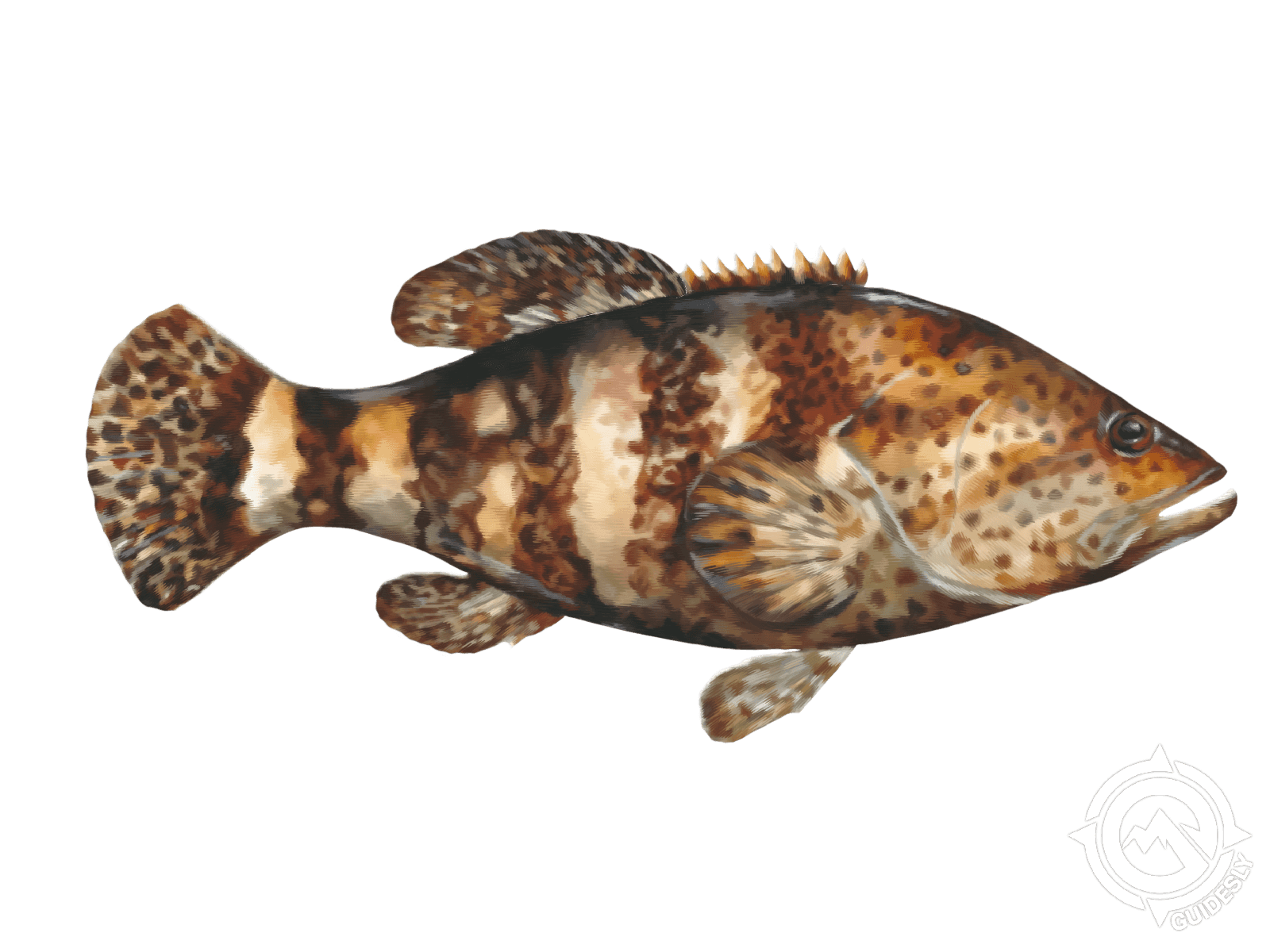
Goliath Grouper are the gentle giants of the inshore world, and the Apalachicola area has some genuine monsters. These fish can push 200-300 pounds, and while they're catch-and-release only, the experience of hooking into one is something you'll never forget. They hang around structure like bridges, docks, and deeper holes. The best time to target them is during the warmer months when they're most active. What's incredible about these fish is their curiosity - they'll often come right up to the boat to investigate, giving you an up-close look at one of Florida's most impressive residents.
Sheepshead are the technical challenge of the bunch. These black-and-white striped fish have incredibly soft mouths and are notorious bait stealers. They hang around any kind of structure - docks, pilings, rock piles - and feed on crabs, barnacles, and small baitfish. Fall through early spring is prime time, especially around the full and new moons when they're spawning. What makes them exciting to catch is the finesse required - you've got to feel the bite more than see it, and setting the hook requires perfect timing.
Sea Trout, or spotted seatrout as they're properly called, are probably the most reliable target in this system. These fish love grass flats and will hit everything from topwater lures at first light to live bait presentations throughout the day. The best fish typically come from deeper grass beds in 4-8 feet of water. Spring and fall produce the biggest fish, with some genuine gator trout pushing 6-7 pounds. What's great about seatrout is their willingness to bite artificials, making them perfect for anglers who love working lures and feeling that aggressive strike.
Redfish are the crown jewel of inshore fishing in this area. These copper-colored bruisers range from schooling rats in the 16-20 inch range to bull reds that can push 40 inches and 30 pounds. They're most active during the warmer months but can be caught year-round. The sight fishing opportunities here are world-class - watching a big red cruise the shallows with its back out of the water, then making the perfect cast ahead of its path. When they eat, there's no question about it. The initial run of a big redfish in shallow water is pure adrenaline, and their stamina means the fight lasts long enough to really appreciate it.
Time to Book Your Spot
This is the kind of fishing trip that creates lifelong memories and usually leads to booking your next charter before you even get back to the dock. The Apalachicola Bay system is one of Florida's best-kept secrets for inshore fishing, offering incredible diversity and consistent action throughout the year. Whether you're a seasoned angler looking to check some new species off
Learn more about the species
Goliath Grouper
These giants are the ultimate catch-and-release challenge around our reefs and structure. We're talking fish that can hit 200-400 pounds and measure 4-6 feet long. They live around bridges, wrecks, and rocky bottom in 20-100 feet of water year-round, but summer months offer the most consistent action. What guests love is that first pull - it's like hooking a small car. They're curious and will come check out divers, but fishing them requires serious tackle. The fight is intense but short-lived as they try to get back to their hole. Remember, these are protected so it's strictly catch-and-release. My advice: use 80-pound gear minimum with circle hooks and get them up quick to avoid exhausting the fish. Live bait near structure works best.
Red Snapper
Red Snapper around here are solid fighters that'll test your gear. Most run 2-4 pounds, but we see some pushing 10+ pounds on the deeper structure. They hang out 30-60 feet down around wrecks, ledges, and hard bottom offshore. Late spring through early fall gives you the best shot when they're actively feeding. What makes them special is that initial run - they'll dive straight for cover the second they feel the hook. The meat is top-shelf too, sweet and firm white flesh that's hard to beat. My tip: use a heavy sinker to get your bait down fast and keep steady pressure once hooked. They'll wrap you around structure in a heartbeat if you give them slack. Fresh cut bait works better than anything fancy.
Redfish
Redfish are the stars of our inshore fishing with their copper-bronze color and distinctive black spots near the tail. Most slot fish run 18-27 inches, but we see bulls over 30 inches that really pull. They cruise super shallow flats, oyster bars, and marsh edges in 1-4 feet of water. Fall and spring offer the best action when they're schooled up and feeding hard. What guests love is seeing them tailing in skinny water and watching explosive topwater strikes. They fight strong with long runs and make decent eating in the slot size range. The key is staying quiet and making accurate casts ahead of cruising fish. Gold spoons and topwater plugs work great, but don't overlook live shrimp under a popping cork near structure.
Sea Trout
Spotted seatrout are our bread-and-butter inshore species, running 12-20 inches on average with bigger gator trout pushing 5+ pounds. They love grass flats, shallow bays, and drop-offs in 2-8 feet of water. Spring through fall are best, with dawn and dusk being prime feeding times. Cold fronts can really turn them on. What anglers enjoy is their willingness to hit both live bait and artificials - they're not overly picky. The fight is respectable with good runs, and they make excellent table fare with sweet, flaky white meat. Just don't overcook them. My go-to technique is working soft plastics or topwater plugs over grass flats early morning. Listen for their drumming sound when they're schooled up - it's a dead giveaway where they're feeding.
Sheepshead
Sheepshead are the "convict fish" with their black and white stripes, and they're some of the tastiest fish in these waters. Most run 2-5 pounds with those famous human-like teeth for crushing barnacles and crabs. You'll find them around any structure - docks, bridges, oyster bars, and pilings where they feed on crustaceans. Winter and early spring are prime time when they school up for spawning. What makes them fun is they're notorious bait thieves - they'll pick your hook clean before you know it. The white, flaky meat is restaurant-quality. Here's the key: use small hooks with fresh shrimp or fiddler crab, keep your bait tight to the structure, and set the hook hard the instant you feel weight. They have crushing jaws, so don't hesitate.